Pakistan Dominates Australia in T20 Thriller as Ayub Shines in Lahore
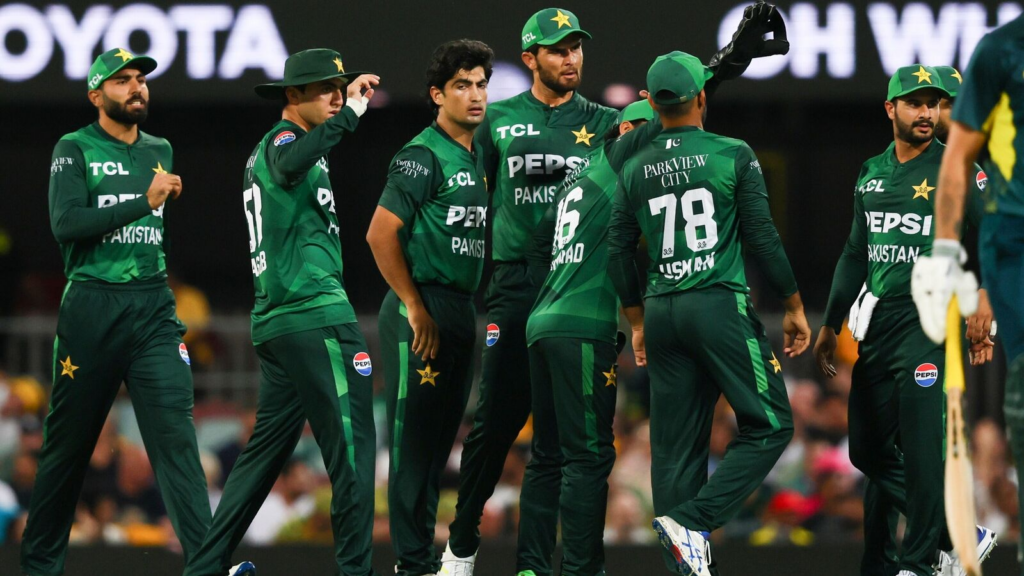
In a spectacular display of spin bowling mastery and clinical cricket execution, Pakistan defeated Australia by 22 runs in the first T20 International at Lahore’s iconic Gaddafi Stadium on January 29, 2026, ending an agonizing 2,650-day drought without a T20I victory against the visiting Australians. The comprehensive performance, orchestrated by Player of the Match Saim Ayub’s exceptional all-round display, sends a powerful message to the cricketing world ahead of next month’s ICC T20 World Cup co-hosted by India and Sri Lanka.
Match Summary and Decisive Moments
Pakistan posted a competitive 168/8 in their allotted 20 overs before their spinners dismantled Australia’s batting order, restricting them to 146/8 and securing a 1-0 series lead in the three-match contest. The victory carries immense psychological significance for Pakistan cricket, which has endured numerous heartbreaks against Australian opposition in recent years across all formats.
Complete Scorecard Overview
| Team | Innings | Runs/Wickets | Overs | Run Rate |
| Pakistan | 1st | 168/8 | 20.0 | 8.40 |
| Australia | 1st | 146/8 | 20.0 | 7.30 |
| Result | Pakistan won by 22 runs |
Pakistan’s Batting Performance: Controlled Aggression
After winning the toss and electing to bat first, Pakistan captain Salman Agha’s decision appeared vindicated as his team constructed a formidable total through intelligent partnerships and calculated aggression. The innings began with a minor setback as Sahibzada Farhan departed on the first ball, but what followed was a masterclass in T20 batting strategy.
Powerplay Dominance Sets the Tone
Saim Ayub announced his intentions immediately, whipping his first delivery towards midwicket for a towering six that set the tone for Pakistan’s powerplay dominance. His explosive 40 runs from just 22 deliveries included three massive sixes and established the platform for Pakistan’s competitive total. The 74-run partnership between Ayub and Salman Agha proved transformative, with both batsmen demonstrating exceptional understanding of the match situation.
Pakistan Top Performers
| Batsman | Runs | Balls | Strike Rate | 4s | 6s | Dismissal |
| Saim Ayub | 40 | 22 | 181.82 | 3 | 3 | c Babar b Zampa |
| Salman Agha | 39 | 27 | 144.44 | 4 | 2 | b Bartlett |
| Babar Azam | 24 | 20 | 120.00 | 2 | 0 | lbw b Zampa |
| Usman Khan | 18* | 12 | 150.00 | 2 | 1 | Not Out |
| Fakhar Zaman | 10 | 16 | 62.50 | 1 | 0 | c Head b Connolly |
Pakistan’s powerplay performance reached historic heights, scoring 56 runs without losing a wicket—equaling their highest powerplay score against Australia in T20I history. The aggressive intent continued post-powerplay, with 29 runs accumulated in the three overs following the fielding restrictions, demonstrating Pakistan’s commitment to maintaining scoring momentum.
Middle Overs: Australia Fights Back
However, Australia’s spinners, particularly Adam Zampa, gradually wrestled back control during the middle overs. Zampa’s exceptional spell yielded 4 wickets for 24 runs, including the crucial dismissals of both set batsmen and captain Babar Azam, who struggled to accelerate after a cautious start.
Australian Bowling Analysis
| Bowler | Overs | Maidens | Runs | Wickets | Economy | Best Figures |
| Adam Zampa | 4.0 | 0 | 24 | 4 | 6.00 | 4/24 |
| Xavier Bartlett | 4.0 | 0 | 26 | 2 | 6.50 | 2/26 |
| Cooper Connolly | 3.0 | 0 | 28 | 1 | 9.33 | 1/28 |
| Aaron Hardie | 3.0 | 0 | 31 | 0 | 10.33 | 0/31 |
| Nathan Ellis | 4.0 | 0 | 35 | 1 | 8.75 | 1/35 |
| Travis Head | 2.0 | 0 | 17 | 0 | 8.50 | 0/17 |
Australia’s Collapse: Spin Web Proves Fatal
Chasing 169 for victory, Australia’s innings began promisingly as captain Travis Head launched an audacious counterattack, striking a first-over six that momentarily silenced the 25,000-strong Lahore crowd. Head’s aggressive 23 from 14 balls suggested Australia might overwhelm Pakistan’s total through sheer firepower, but Saim Ayub had other plans.
Early Wickets Derail the Chase
Ayub’s cunning variations accounted for both openers, with Matthew Short (5) bowled by a deceptive carrom ball in the third over before Head holed out to Babar Azam at long-off attempting another boundary. The dismissals triggered a collapse that Australia never recovered from, despite Cameron Green’s valiant 36-run resistance.
Australia’s Batting Struggles
| Batsman | Runs | Balls | Strike Rate | 4s | 6s | Dismissal |
| Cameron Green | 36 | 30 | 120.00 | 3 | 2 | c Ayub b Nawaz |
| Xavier Bartlett | 34* | 28 | 121.43 | 3 | 1 | Not Out |
| Travis Head | 23 | 14 | 164.29 | 3 | 1 | c Babar b Ayub |
| Josh Philippe | 12 | 11 | 109.09 | 2 | 0 | b Ahmed |
| Matt Renshaw | 11 | 14 | 78.57 | 1 | 0 | run out |
| Matt Short | 5 | 3 | 166.67 | 1 | 0 | b Ayub |
The Catastrophic Eighth Over
The turning point arrived in the eighth over when disaster struck twice. Matt Renshaw was run out following a catastrophic mix-up with Green, and Cooper Connolly was bowled by Abrar Ahmed in the same over, reducing Australia to a precarious position. The visitors’ woes deepened in the 11th over when Mitchell Owen was freakishly run out after Green’s powerful drive deflected off bowler Mohammad Nawaz’s fingertips onto the stumps.
Pakistan’s Bowling Masterclass
| Bowler | Overs | Maidens | Runs | Wickets | Economy | Key Wickets |
| Abrar Ahmed | 4.0 | 0 | 10 | 2 | 2.50 | Philippe, Connolly |
| Saim Ayub | 4.0 | 0 | 29 | 2 | 7.25 | Short, Head |
| Mohammad Nawaz | 4.0 | 0 | 25 | 1 | 6.25 | Green |
| Shadab Khan | 4.0 | 0 | 31 | 1 | 7.75 | Hardie |
| Shaheen Afridi | 3.0 | 0 | 28 | 0 | 9.33 | – |
| Naseem Shah | 1.0 | 0 | 16 | 0 | 16.00 | – |
Abrar Ahmed: The Spin Wizard
Abrar Ahmed emerged as the bowling star, conceding just 10 runs in his four overs while claiming two vital wickets. His miserly spell exemplified Pakistan’s spin-bowling depth, which has long been considered their greatest strength in subcontinental conditions. The statistics reveal a dominant performance across Pakistan’s bowling unit, with five different bowlers contributing wickets and maintaining consistent pressure throughout Australia’s innings.
Historical Context and Series Implications
The victory carries profound significance beyond the match result. Pakistan’s last T20I victory over Australia occurred 2,650 days earlier, representing nine matches spanning more than seven years of frustration. During this period, Australian dominance had become a psychological barrier for Pakistani cricket, with defeats in crucial ICC tournaments and bilateral series undermining confidence.
Head-to-Head T20I Record (2020-2026)
| Statistic | Pakistan | Australia |
| Matches Played | 10 | 10 |
| Wins | 3 | 7 |
| Win Percentage | 30% | 70% |
| Average Score | 154 | 168 |
| Highest Score | 189/6 | 201/7 |
This victory shifts momentum significantly ahead of the T20 World Cup, where both nations harbor legitimate championship ambitions. Pakistan’s comprehensive performance demonstrated their ability to execute under pressure, particularly their spin bowling depth which will prove invaluable in Sri Lankan conditions.
World Cup Preparation and Strategic Insights
With the ICC T20 World Cup scheduled to commence in February, this series represents the final opportunity for both teams to fine-tune combinations and test strategies. Pakistan’s decision to promote Salman Agha to number three proved successful, with the captain explicitly stating this position change was designed to maximize his ability to dominate spin during the powerplay.
Batting Order Experimentation
Australia’s experimentation with a young squad, featuring several debutants and fringe players, reflected their desire to assess squad depth ahead of the World Cup. The absence of established stars provided opportunities for players like Xavier Bartlett, whose unbeaten 34 demonstrated character despite the losing cause.
Series Outlook and Tactical Considerations
The second T20I, scheduled for January 31 at the same venue, presents Australia with an immediate redemption opportunity. Captain Travis Head faces selection dilemmas, particularly regarding bowling combinations after Zampa’s excellence contrasted sharply with the pace bowlers’ struggles.
Pakistan’s Selection Headaches
Pakistan, conversely, will be tempted to maintain their winning combination, though the management may consider resting key players ahead of the World Cup. The Lahore pitch offered significant assistance to spinners, with 70% of wickets falling to slow bowlers, suggesting similar tactics will dominate the remaining matches.
Pitch Conditions and Venue Analysis
The Gaddafi Stadium surface played true during the powerplay before offering increasing turn and grip as the match progressed. Evening dew proved less influential than anticipated, allowing Pakistan’s spinners to maintain control throughout Australia’s chase. Curator Javed Malik confirmed similar pitch preparation for the second match, favoring teams with quality spin options.
Weather and Environmental Factors
Lahore’s January conditions provided ideal cricket weather, with temperatures hovering around 18°C (64°F) and clear skies throughout. The absence of dew allowed Pakistan’s spinners to extract maximum purchase from the surface, a crucial factor in their dominant performance.
Player of the Match: Saim Ayub’s Breakout Performance
Saim Ayub’s all-round excellence earned him the Player of the Match award, with his 40 runs from 22 balls and 2 wickets for 29 runs showcasing exceptional versatility. The 22-year-old’s ability to impact matches with both bat and ball positions him as a genuine star and potential World Cup hero.
Ayub’s Career Trajectory
Ayub’s performance continues a meteoric rise that has seen him transition from domestic cricket obscurity to international stardom within 18 months. His technique against spin, power-hitting ability, and clever variations with the ball make him Pakistan’s most exciting young talent.
Captain’s Perspective: Salman Agha’s Leadership
Pakistan captain Salman Agha praised his team’s execution while emphasizing areas for improvement ahead of the World Cup. His decision to bat at number three reflected strategic planning designed to maximize Pakistan’s powerplay scoring while providing middle-order stability.
Agha on the Victory
“It was a great game. We started well with the bat but couldn’t finish the way we wanted. It became challenging after the first ten overs as the ball stopped coming onto the bat, but I think we were outstanding with the ball,” Agha stated in the post-match presentation.
Australian Perspective: Learning from Defeat
Australia’s young squad gained valuable experience despite the defeat, with several players making their international debuts in challenging subcontinental conditions. Captain Travis Head acknowledged Pakistan’s superiority while emphasizing the learning opportunities available from such high-pressure environments.
Selection Challenges Ahead
Head faces difficult selection decisions for the second match, balancing the need for immediate results against long-term World Cup preparation. The bowling attack’s struggles against spin-friendly conditions suggest potential changes, with additional spin options potentially replacing struggling pace bowlers.
Fan Reaction and Cultural Significance
The Gaddafi Stadium erupted in celebration as Salman Mirza bowled the final over, with capacity crowds creating an atmosphere that reminded observers of Pakistan cricket’s golden era. Social media platforms exploded with tributes to Saim Ayub’s performance, with the 22-year-old emerging as a genuine star and potential World Cup hero.
Social Media Explosion
Twitter hashtags #PAKvAUS and #SaimAyub trended globally within minutes of the match’s conclusion, with Pakistani fans celebrating the drought-breaking victory with memes, videos, and emotional tributes. Australian supporters acknowledged their team’s struggles while expressing optimism about redemption opportunities in remaining matches.
Broadcast and Viewership Statistics
The match attracted significant global viewership, with preliminary estimates suggesting 50 million viewers across Pakistan, Australia, India, and other cricket-loving nations. Streaming platforms reported record engagement, with concurrent viewers peaking at 8.2 million during Pakistan’s powerplay assault.
Commercial Impact
Sponsors expressed satisfaction with exposure levels, with brand visibility during crucial moments translating to substantial commercial value. The Pakistan Cricket Board confirmed robust advertising revenue that will fund grassroots development and infrastructure improvements.
Statistical Highlights and Records
The match produced several statistical milestones and notable performances that merit recognition:
Key Statistics
- Pakistan’s 56-run powerplay equals their highest against Australia
- Abrar Ahmed’s economy rate of 2.50 is the best by any bowler in the series
- Australia’s collapse from 51/2 to 146/8 represents their worst middle-order performance in 18 months
- Saim Ayub becomes the youngest Pakistani to score 40+ runs and take 2+ wickets in the same T20I
Looking Ahead: Second T20I Preview
The second match, scheduled for January 31, promises intense competition as Australia seeks redemption and Pakistan aims to clinch the series. The Gaddafi Stadium will again host, with similar pitch conditions anticipated favoring teams with quality spin options.
Key Matchups to Watch
- Adam Zampa vs Pakistan’s left-handers
- Saim Ayub vs Australia’s pace attack
- Cameron Green vs Abrar Ahmed
- Travis Head vs Mohammad Nawaz
World Cup Implications
This series carries enormous World Cup implications beyond bilateral bragging rights. Both teams use these matches to finalize combinations, assess form, and build confidence ahead of cricket’s premier T20 tournament. Pakistan’s victory provides psychological momentum, while Australia must regroup quickly to avoid entering the World Cup with damaged confidence.
Tournament Preparation
With the World Cup commencing in early February, both teams have limited opportunities to address identified weaknesses. Pakistan’s spin-bowling dominance confirms their status as serious title contenders in Sri Lankan conditions, while Australia must enhance their approach to playing quality spin bowling.
The Road to World Cup Glory
As both teams prepare for the second encounter, Pakistan holds all the momentum, but cricket’s unpredictable nature means Australia remains dangerous. The series has already provided thrilling entertainment, and with World Cup stakes rising with each match, the remaining fixtures promise more drama, more skill, and more unforgettable moments in this storied rivalry.
The victory resonates deeply within Pakistani cricket culture, where defeats to Australia carry particular sting given the historical rivalry and Australia’s dominant record in subcontinental conditions. Breaking the 2,650-day drought provides tangible evidence of Pakistan’s resurgence under new leadership and their growing confidence in high-pressure situations.