Iran Internet Blackout: Nationwide Protests Enter Second Week as Government Cuts Com
GLOBAL POLITICS & ECONOMICS | BREAKING NEWS
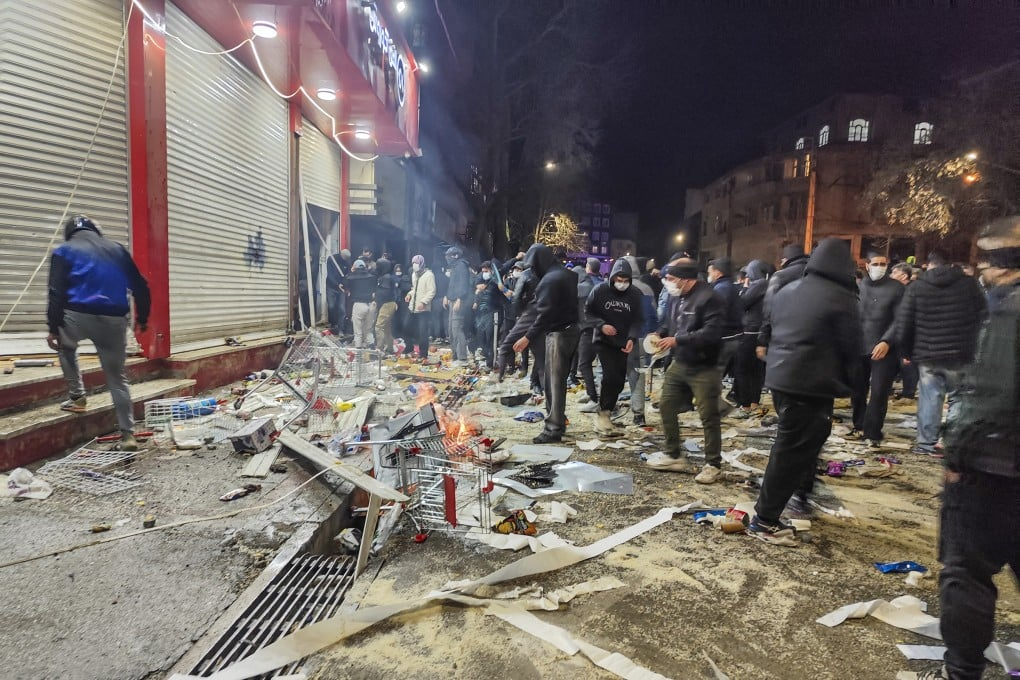
Escalating civil unrest across Iran has prompted the government to implement a nationwide internet blackout, marking one of the most severe digital censorship measures since the 2022 Mahsa Amini protests. NetBlocks, an international internet monitoring organization, confirmed Thursday that Iran is experiencing comprehensive communications disruption as demonstrations against economic collapse enter their twelfth consecutive day.
Crisis Timeline and Scale
The protests, which began December 28, 2025, in Tehran’s Grand Bazaar, have exploded into a full-scale political movement spanning 110 cities across Iran’s 31 provinces. What started as merchant strikes over currency devaluation has transformed into broader calls for regime change, with protesters chanting “Death to the dictator” in reference to Supreme Leader Ayatollah Ali Khamenei.
According to the People’s Mojahedin Organization of Iran (PMOI/MEK), at least 44 protesters have been killed since demonstrations began, with hundreds more injured. The western city of Lordegan witnessed particularly violent clashes on January 7-8, resulting in eight fatalities when security forces opened fire on demonstrators.
| Protest Statistics | Data |
| Cities with demonstrations | 110+ |
| Provinces affected | 24 of 31 |
| Confirmed deaths (PMOI/MEK) | 44 |
| Arrests reported | 1,000+ |
| Universities participating | 45 |
| Days of continuous protests | 12 |
Economic Catalyst
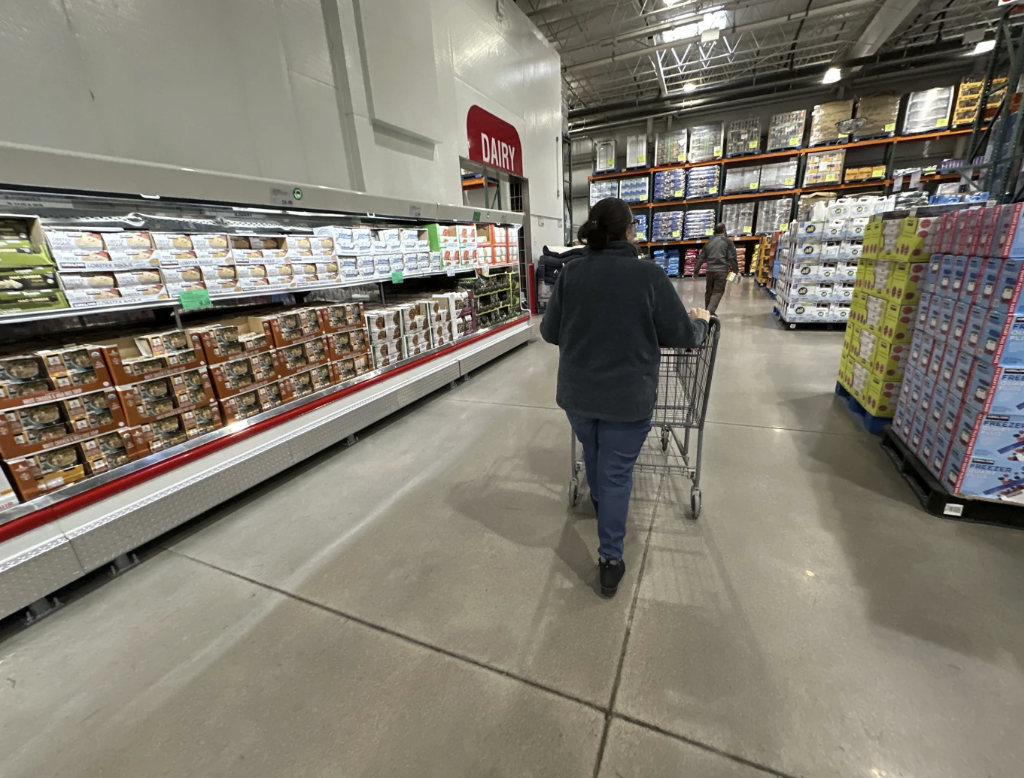
The Iranian rial’s catastrophic decline serves as the primary catalyst for public anger. The currency plummeted to 1.42 million per US dollar in late December 2025, representing a 56% devaluation in just six months. This currency crisis has driven food price inflation to an unprecedented 72% year-over-year, with some essential goods experiencing price increases exceeding 1,000%.
President Masoud Pezeshkian’s administration responded with nominal economic relief measures, including approximately $7 monthly subsidies for essential foods like rice, meat, and pasta—an amount widely dismissed as grossly inadequate given the scale of economic hardship.
| Economic Indicators | Current Value | Previous Value | % Change |
| USD/IRR exchange rate | 1,420,000 | 635,000 (6 months ago) | -56% |
| Food price inflation (YoY) | 72% | 38% | +34 pts |
| General inflation rate | 42.2% | 40.4% (Nov 2025) | +1.8 pts |
| Dairy product price increase | 600% | N/A | Annual basis |
International Response
The crisis has drawn sharp international reactions. US President Donald Trump threatened military intervention if Iran “violently kills peaceful protesters,” declaring the United States “locked and loaded and ready to go.” Israeli Prime Minister Benjamin Netanyahu expressed support for demonstrators, suggesting Iranians may be “taking their fate into their own hands.”
Iran’s Chief Justice Gholam-Hossein Mohseni-Ejei responded by accusing protesters of “operating in line” with American and Israeli interests, warning of severe consequences for those creating “insecurity” in the streets.
Digital Repression
Thursday’s internet blackout represents Iran’s most comprehensive digital censorship effort since 2022. NetBlocks reported that connectivity was “heavily disrupted in cities experiencing active demonstrations,” making communication, media sharing, and protest organization nearly impossible for Iranian citizens.
Amnesty International condemned security forces for raiding Imam Khomeini Hospital in Ilam, where wounded protesters sought treatment. The human rights organization stated this action “violates international law and again shows how far the Iranian authorities are willing to go to crush dissent.”
Strategic Analysis
Analysts at the Soufan Center observe that the protests “reflect not only worsening economic conditions, but longstanding anger at government repression and regime policies that have led to Iran’s global isolation.” The demonstrations occur against a backdrop of declining Iranian regional influence, including the recent fall of the Assad regime in Syria, a key Iranian ally.
Unlike previous protest waves primarily driven by sociopolitical demands, current demonstrations stem from economic desperation—what Al Jazeera describes as “the heavy toll of empty pockets, privation, unpaid bills, and the quiet erosion of dignity brought on by scarcity.”
Market Impact & Outlook
The crisis significantly impacts regional stability and global energy markets. Iran’s oil production capacity, while subject to international sanctions, remains a factor in global petroleum pricing. Extended instability could affect Iran’s approximately 3.8 million barrels per day production capacity, potentially influencing global crude oil markets already volatile due to geopolitical tensions.
UN Secretary-General António Guterres called for preventing further protest-related casualties, emphasizing that “all individuals must be allowed to protest peacefully and express their grievances.”
As Iran enters the second week of nationwide protests with communications severed and casualties mounting, the international community watches closely to determine whether this movement represents a genuine threat to the Islamic Republic’s four-decade rule or another wave of unrest that authorities will ultimately suppress.