Champions League Playoff Draw Set to Reshape European Football Landscape
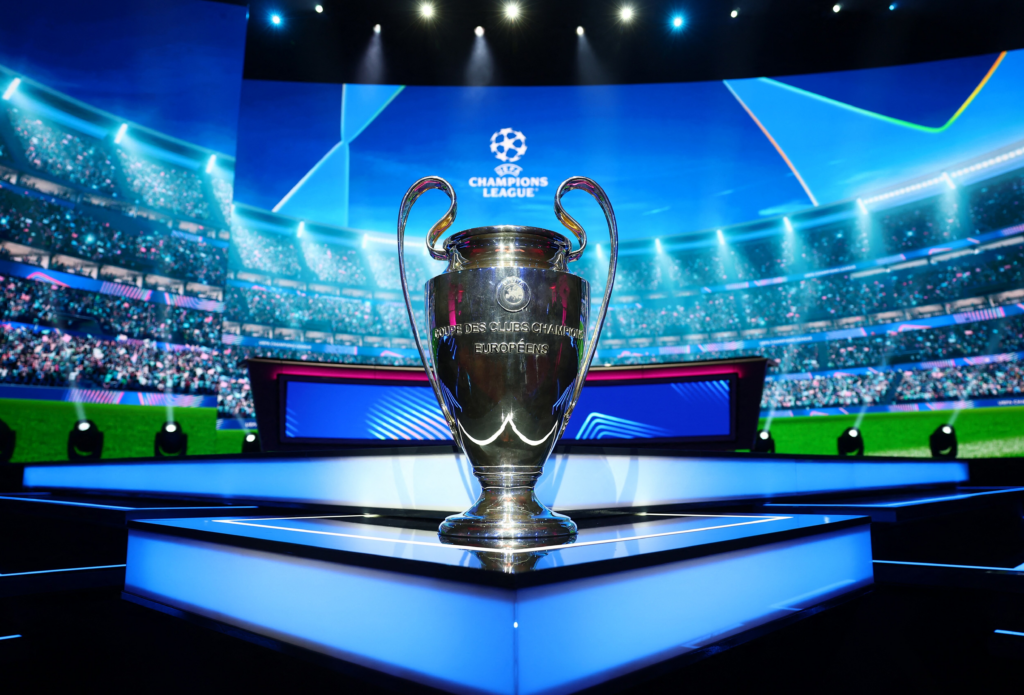
The stage is set for one of the most anticipated moments in European football as UEFA prepares to conduct the Champions League knockout phase playoff draw on Friday, January 30, 2026, at 12:00 CET at the House of European Football in Nyon, Switzerland. This pivotal event will determine the fate of 16 elite clubs fighting for their place in the prestigious Round of 16, with the new tournament format adding unprecedented drama to Europe’s premier club competition.
Revolutionary Format Creates New Dynamics
The 2025/26 season marks a watershed moment for the Champions League, with UEFA implementing a radical restructuring that has fundamentally altered the competition’s landscape. The traditional group stage has been replaced by a 36-team league phase, where each club faced eight different opponents in what many are calling the most competitive opening stage in the tournament’s history. The top eight teams earned automatic qualification to the Round of 16, while positions nine through 24 must now navigate the treacherous playoff round.
This innovative approach has generated intense debate among football analysts and fans alike. The seeding system ensures higher-placed teams avoid each other in the playoff round, theoretically creating more balanced matchups while simultaneously offering opportunities for dramatic upsets. Last season’s example remains fresh in everyone’s minds when Manchester City, finishing 22nd in the league phase, drew seeded Real Madrid and were eliminated 6-3 on aggregate, demonstrating the high stakes of playoff positioning.
Seeded Teams Looking to Capitalize on Home Advantage
The eight seeded clubs, occupying positions nine through 16, include some of Europe’s most storied franchises. Real Madrid’s unexpected ninth-place finish following their shocking 4-2 defeat to Benfica on the final matchday sent shockwaves through the football world. The 15-time European champions now find themselves in unfamiliar territory, forced to fight for survival against lower-seeded opposition.
Seeded Teams Breakdown
| Position | Team | Country | League Phase Points | Home Venue |
| 9th | Real Madrid | Spain | 15 | Santiago Bernabéu |
| 10th | Inter | Italy | 15 | San Siro |
| 11th | Paris Saint-Germain | France | 13 | Parc des Princes |
| 12th | Newcastle United | England | 12 | St. James’ Park |
| 13th | Juventus | Italy | 12 | Allianz Stadium |
| 14th | Atlético Madrid | Spain | 11 | Metropolitano |
| 15th | Atalanta | Italy | 11 | Gewiss Stadium |
| 16th | Bayer Leverkusen | Germany | 10 | BayArena |
Inter Milan’s 10th-place finish represents a remarkable turnaround after their 2-0 victory over Borussia Dortmund in the final league phase match secured their playoff berth. The Nerazzurri, who reached last year’s final, will be determined to prove their championship credentials despite the indirect route to the knockout stages.
Paris Saint-Germain’s Familiar Playoff Position
Paris Saint-Germain’s inclusion in the playoff round continues a concerning pattern for the French giants, who despite massive investment and star power, have struggled to translate domestic dominance into European success. Their 11th-place finish means another playoff gauntlet, though they navigated this situation successfully last season, ultimately winning the title.
Unseeded Teams Ready to Shock Europe
The eight unseeded teams, finishing 17th through 24th, face the additional challenge of playing away in the crucial second leg, but several possess the quality to cause major upsets.
Unseeded Teams Analysis
| Position | Team | Country | League Phase Points | Key Strengths |
| 17th | Club Brugge | Belgium | 10 | Defensive solidity |
| 18th | Galatasaray | Turkey | 9 | Passionate home support |
| 19th | Monaco | France | 9 | Young attacking talent |
| 20th | Qarabağ | Azerbaijan | 8 | Counter-attacking prowess |
| 21st | Benfica | Portugal | 8 | Giant-killing mentality |
| 22nd | Bodø/Glimt | Norway | 7 | High-pressing intensity |
| 23rd | Borussia Dortmund | Germany | 7 | European pedigree |
| 24th | Sporting CP | Portugal | 6 | Technical quality |
Benfica’s 21st-place finish belies their true quality, having defeated Real Madrid 4-2 on the final matchday to secure their playoff spot. The Portuguese side will fancy their chances against any seeded opponent, drawing on a rich European heritage and current form that suggests they’re peaking at the right time.
Norwegian Champions Make Historic Appearance
Norwegian champions Bodø/Glimt secured their playoff berth with consecutive victories, demonstrating the resilience and tactical acumen that has made them one of Scandinavia’s most exciting footballing stories. Their inclusion represents the increasing competitiveness of smaller leagues in European competition.
Draw Mechanics and Bracket Structure
The draw procedure follows a carefully designed protocol to maintain competitive balance while respecting the league phase standings. Teams are paired based on their final positions, creating four seeded pairs (9-10, 11-12, 13-14, 15-16) and four unseeded pairs (17-18, 19-20, 21-22, 23-24).
Potential Matchup Framework
| Seeded Pairing | Will Face | Unseeded Pairing |
| Real Madrid or Inter (9-10) | vs | Bodø/Glimt or Benfica (23-24) |
| PSG or Newcastle (11-12) | vs | Monaco or Qarabağ (21-22) |
| Juventus or Atlético (13-14) | vs | Club Brugge or Galatasaray (19-20) |
| Atalanta or Leverkusen (15-16) | vs | Borussia Dortmund or Sporting (17-18) |
Unlike previous formats, teams from the same national association can face each other in the playoff round, and rematches from the league phase are permitted. This opens the possibility of intriguing domestic rivalries being played out on the European stage, adding another layer of complexity to an already dramatic competition.
Timeline and Path to Glory
The playoff round will be contested over two legs, with first legs scheduled for February 17-18, 2026, and second legs on February 24-25. Seeded teams will host the decisive second leg, a significant advantage in tight matchups. The aggregate winners will join the top eight in the Round of 16 draw on February 27.
Complete Tournament Schedule
| Stage | First Leg | Second Leg | Draw Date |
| Knockout Playoffs | Feb 17-18 | Feb 24-25 | Jan 30 |
| Round of 16 | Mar 10-11 | Mar 17-18 | Feb 27 |
| Quarter-finals | Apr 7-8 | Apr 14-15 | Feb 27 |
| Semi-finals | Apr 28-29 | May 5-6 | Feb 27 |
| Final | May 30, 2026 (Budapest) | – | – |
The compressed schedule means teams must maintain peak performance across multiple high-pressure matches within weeks, testing squad depth and management capabilities to their limits.
Tactical Considerations and Strategic Implications
The two-legged format rewards tactical versatility and squad management. Seeded teams must decide whether to press their home advantage in the second leg or attempt to secure an away goal advantage in the opening match. Historical data suggests teams winning the first leg advance approximately 75% of the time, making the initial encounter crucial.
Home Advantage vs Away Goals Strategy
Unseeded teams face the psychological challenge of potentially defending a lead away from home in the second leg, though several possess the defensive organization to frustrate even the most attack-minded opposition. The away goals rule no longer applies, meaning extra time and penalties will decide matches level on aggregate.
Economic Stakes and Club Planning
The financial implications of Champions League progression cannot be overstated. UEFA distributes prize money based on advancement, with each playoff victory worth approximately €10 million in additional revenue. For some clubs, particularly those from smaller leagues, this represents transformative funding for squad development and infrastructure.
Prize Money Distribution
Beyond immediate financial rewards, Champions League progression significantly impacts player recruitment, commercial partnerships, and global brand development. Clubs reaching the quarter-finals or beyond often see substantial increases in shirt sales, sponsorship value, and transfer market attractiveness.
Viewing Information and Global Interest
The draw will be streamed live on UEFA.com and the official Champions League app, with millions of viewers expected worldwide. Fans can access comprehensive pre-draw analysis and immediate post-draw reaction through UEFA’s digital platforms, ensuring global accessibility for football’s most passionate supporters.
Broadcasting and Digital Access
The 2025/26 Champions League has already generated record viewing figures during the league phase, with the new format driving increased engagement across all demographics and regions. UEFA executives have expressed satisfaction with fan response to the restructured competition, though maintaining this momentum through the knockout stages remains the ultimate test.
Premier League Clubs in the Draw
Three English clubs feature in the playoff draw, with Newcastle United (12th) representing the Premier League in the seeded bracket. Their inclusion demonstrates the competitive intensity of the new format, where even established clubs from Europe’s strongest league cannot guarantee top-eight finishes.
Newcastle’s European Journey
Newcastle’s 12th-place finish exceeded pre-season expectations for a club competing in their first Champions League campaign in two decades. Manager Eddie Howe has constructed a resilient squad capable of troubling any opponent, with St. James’ Park providing one of Europe’s most intimidating atmospheres for visiting teams.
Italian Dominance in Seeded Positions
Serie A boasts three clubs in seeded positions—Inter (10th), Juventus (13th), and Atalanta (15th)—demonstrating Italian football’s resurgence at the European level. This represents the highest seeded representation from any single league, suggesting tactical sophistication and competitive balance within Italian domestic competition translates effectively to continental challenges.
Inter Milan’s Championship Pedigree
Inter’s pathway through the playoffs will test whether last season’s runners-up can recapture the form that carried them to the final. Their 2-0 victory over Borussia Dortmund showcased defensive solidity and clinical finishing, characteristics essential for knockout football success.
Spanish Giants Face Uncertain Futures
Real Madrid, Atlético Madrid, and potentially facing them are Spanish opposition from the unseeded bracket, creating the possibility of all-Spanish playoff ties. Real Madrid’s ninth-place finish represents their lowest league phase position in modern Champions League history, a sobering reality check for Europe’s most successful club.
Real Madrid’s Season of Turbulence
Los Blancos’ struggles throughout the league phase—culminating in the devastating 4-2 defeat to Benfica—have raised questions about squad depth, tactical approach, and ability to compete at the highest level. The playoff round represents a redemption opportunity or a humiliating early exit for Carlo Ancelotti’s side.
Bundesliga Representation
Germany contributes two clubs to the playoff round: seeded Bayer Leverkusen (16th) and unseeded Borussia Dortmund (23rd). Leverkusen’s domestic dominance hasn’t translated seamlessly to European competition, with defensive vulnerabilities exposed repeatedly during the league phase.
Borussia Dortmund’s Recovery Mission
Dortmund’s 23rd-place finish represents a disappointing campaign for a club with recent Champions League final experience. Their 2-0 defeat to Inter on the final matchday condemned them to an unseeded position, potentially drawing one of Europe’s elite clubs in the playoff round.
Historical Perspective and Tournament Evolution
The Champions League’s evolution from a 32-team group stage to a 36-team league phase represents UEFA’s response to changing football economics, fan consumption patterns, and competitive balance concerns. While controversial among traditionalists, the format has undeniably created more meaningful matches and eliminated “dead rubber” fixtures that plagued previous iterations.
Fan Reception and Critical Analysis
Early fan reception suggests divided opinion, with supporters appreciating increased match volume and variety while questioning whether the format dilutes knockout stage prestige. Television ratings and stadium attendance figures indicate strong engagement, though long-term sustainability remains uncertain.
What’s at Stake Beyond Football
For players, coaches, and executives, Champions League success defines careers and determines employment security. Managers face dismissal for early exits, star players demand transfers from clubs unable to compete at the highest level, and sporting directors construct recruitment strategies around European qualification revenues.
The Human Element
The immense pressure generates compelling human drama—veterans seeking final glory, young talents announcing themselves on Europe’s biggest stage, and redemption stories for those who’ve experienced previous heartbreak. Tomorrow’s draw will set these narratives in motion, creating storylines that captivate millions across the globe.
As European football’s elite prepare for tomorrow’s draw, one certainty emerges: the path to Champions League glory has never been more challenging, and the margin for error has never been smaller. The knockout phase playoff draw will set in motion a cascade of matches that will define legacies, break hearts, and crown champions in Europe’s greatest football spectacle.